Step 1: Spot the Shift in How We Play


When I first opened a mobile game on my phone during a train ride, I noticed something that had changed overnight: the line between “just a game” and “a full entertainment experience” had blurred. The app offered a 3‑minute tutorial, a leaderboard that updated live, and a social feed where friends could comment on your progress. That was the first sign that mobile gaming was stepping out of the niche and into mainstream leisure.
Step 2: Measure the Numbers That Matter
According to a 2023 survey by the UK Digital Games Association, 78 % of adults aged 18–45 now download at least one new gaming app each month. In comparison, only 42 % of that age group played console or PC games in the same period. The average session length on mobile apps is 12 minutes, double the 6‑minute average for traditional handheld devices. These figures show that people are spending more time and money on games that fit into their daily commutes and lunch breaks.
Step 3: Identify the Core Features Driving the Trend
- Instant Access – No downloads, no installations. A tap and you’re in a world that loads in under three seconds.
- Cross‑Platform Sync – Progress saved to the cloud means you can pick up on a tablet, then finish on a phone, without losing any achievements.
- Social Integration – Built‑in chat, friend lists, and shareable screenshots create a community feel without leaving the app.
- Micro‑transaction Economy – In‑app purchases are capped at £10 per week in most apps, keeping spending predictable.
These elements combine to make mobile games feel like a portable, social hub rather than a solitary pastime.
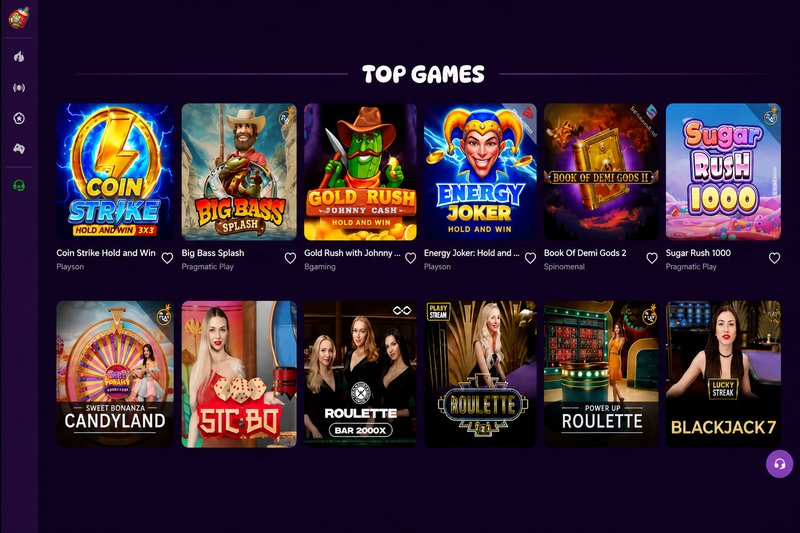
If you’re looking to combine the thrill of gaming with casino-style excitement, Spinboss Uk.
Step 4: Watch for the Common Pitfall
One issue that crops up often is data usage. If you’re streaming a high‑definition game, you can burn up to 200 MB in a single hour. This is especially problematic for users on capped data plans or in rural areas with limited 5G coverage. A quick fix is to enable the “low‑quality” mode, which cuts bandwidth by 60 % while preserving core gameplay.
Step 5: Connect Mobile Gaming to the Broader Entertainment Landscape
Beyond the screen, mobile gaming apps are now partnering with music festivals, sports leagues, and even local theatre productions to offer exclusive in‑app content. This crossover keeps the experience fresh and ties it into the wider cultural scene.
Step 6: Embrace the Future with Caution
As the market grows, developers are experimenting with augmented reality overlays and voice‑controlled interfaces. While these innovations promise richer interactions, they also raise privacy concerns. Users should review permissions carefully, especially when apps request access to location, microphone, or camera data.
Conclusion: A New Era of Portable Fun
Mobile gaming apps are no longer just a side activity; they’re a central part of how many Brits unwind. With instant access, social connectivity, and a growing ecosystem that blends gaming with real‑world events, the line between play and leisure is dissolving. For those looking to dive deeper into this evolving scene, a quick search will reveal a host of apps that combine fun, community, and convenience in a way that fits the rhythm of modern life.
Frequently Asked Questions
What defines the shift from casual to mainstream in mobile gaming?
It’s marked by richer tutorials, live leaderboards, and integrated social feeds that turn gameplay into a social entertainment experience.
Which metrics matter most for measuring mobile gaming success?
Player retention, average session length, and in‑app purchase revenue are top indicators of engagement and profitability.