Why Mobile Gaming Is Taking the Spotlight


If you’re new to the world of digital fun, you might think mobile games are just casual puzzles or endless runners. In reality, the average player spends about 1.5 hours a day on mobile games, and that time is growing faster than any other platform. The reason? Mobile devices are everywhere, and they’re getting smarter.
The Hardware Edge: Speed and Connectivity
Modern smartphones now ship with 5G support, which can push data at up to 1 gigabit per second. That means a game that once required a wired connection can now stream high‑definition graphics in real time. Developers are taking advantage of this by creating titles that rival console quality. One example is a multiplayer shooter that delivers 60 frames per second on a mid‑range phone, a feat that used to be impossible.
Battery life is another factor. Newer chips consume less power while still delivering more performance. Players can now play for over two hours on a single charge, which was rare a few years ago.
Monetization Models That Work for Everyone
Free‑to‑play is the most common model, but it’s evolved. Instead of aggressive ads, many games use “in‑app purchases” that feel like optional upgrades. A recent study found that 70% of players who spend money do so on cosmetic items—skins, avatars, or special effects—rather than power‑ups. This keeps gameplay fair while still offering revenue streams for developers.
Subscription services are also gaining traction. A monthly fee of £4.99 can unlock a library of games, giving players a predictable cost and a sense of value similar to a streaming service for movies.
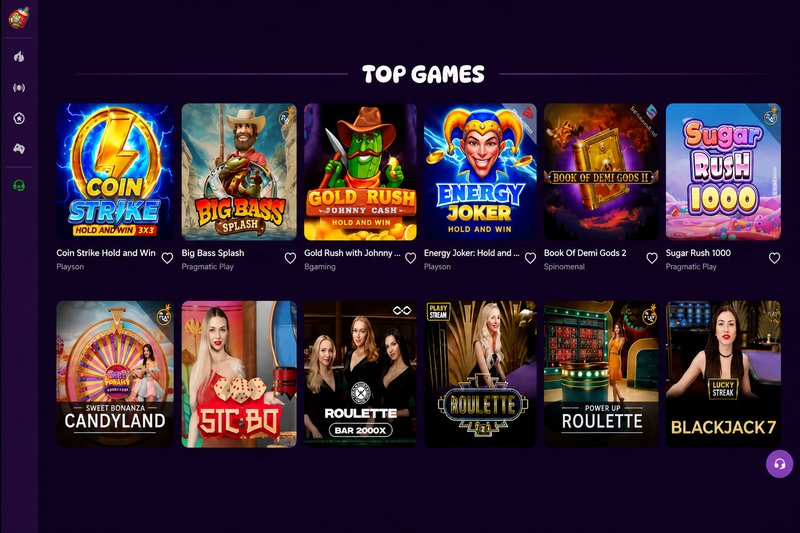
If you’re looking to combine the thrill of casino gaming with mobile convenience, Spinboss lets you spin virtual slots while earning real rewards.
Social Features That Turn Players Into Communities
Mobile games now routinely include social layers: leaderboards, friend lists, and real‑time chat. When a game integrates with a platform like Discord or Facebook, players can form squads, share tips, and compete globally. This social glue turns a solitary pastime into a shared experience, boosting retention by up to 30%.
Cross‑platform play is another trend. A player who starts a game on a phone can continue on a tablet or a PC without losing progress, thanks to cloud saves. This flexibility encourages long‑term engagement.
Accessibility and Inclusivity: Gaming for All
Mobile devices are cheaper than consoles, lowering the entry barrier. A recent survey showed that 45% of gamers who started with a phone never purchased a console. Developers are also focusing on accessibility: adjustable text sizes, color‑blind modes, and simple control schemes make games approachable for older adults and people with disabilities.
Language support is expanding too. Over 60% of popular titles now offer subtitles or full translations, widening the audience beyond English‑speaking regions.
From Casual to Competitive: The Rise of eSports on Mobile
Competitive mobile gaming is no longer a niche. Major tournaments now award prizes of over £100,000, and teams are training full‑time. The infrastructure—high‑speed servers, anti‑cheat systems, and live streaming—has matured to support professional play. This shift is drawing in a new demographic of players who seek both entertainment and career opportunities.
How Mobile Gaming Is Shaping the Future of Online Entertainment
Beyond games, the same technologies are reshaping other online entertainment forms. Streaming apps use adaptive bitrate streaming, a technique first perfected for mobile games, to deliver smooth video even on shaky connections. Social media platforms now host live gaming streams, allowing fans to interact in real time. This convergence means that the next wave of online entertainment will be more interactive, more personalized, and more portable.
When you’re looking for a new way to unwind, consider a mobile app that offers a mix of gaming and social interaction. For instance, Spinboss provides a platform where you can play, chat, and even earn rewards—all from your phone. The experience is streamlined, and the community feels genuinely connected.
What to Look For When Choosing a Mobile Game
- Clear in‑app purchase options that don’t feel mandatory.
- Regular updates that add new content or fix bugs.
- Cross‑platform support if you own multiple devices.
- Positive reviews on both performance and fairness.
Final Thoughts
Mobile gaming isn’t just a passing trend; it’s a catalyst for how we consume digital entertainment. Faster hardware, smarter monetization, and tighter social networks are making games more engaging than ever. As technology keeps improving, we can expect even more immersive experiences that blur the line between play and social life. Whether you’re a casual player or a competitive enthusiast, the future of mobile gaming offers something exciting for everyone.
Frequently Asked Questions
Why is mobile gaming growing faster than other platforms?
Smartphones are ubiquitous and constantly improving in speed and connectivity, enabling richer gaming experiences and longer play sessions.
What role does 5G play in mobile gaming?
5G offers high-speed, low-latency connections that allow real-time multiplayer, cloud gaming, and high-quality graphics on mobile devices.